Denmark beat Russia 4-1 in Copenhagen on a night that felt less like a football match and more like a controlled demolition. The scoreline flatters Russia, if anything. From the fourth minute, when Yussuf Poulsen pounced on a careless back-pass, the Danes pressed with the kind of coordinated aggression that makes you wonder why more teams don’t do it. Russia’s midfield, missing key starters, simply couldn’t breathe. I counted three Russian players signaling to the bench within the first twenty minutes—not for tactics。but for water. They were chasing shadows.
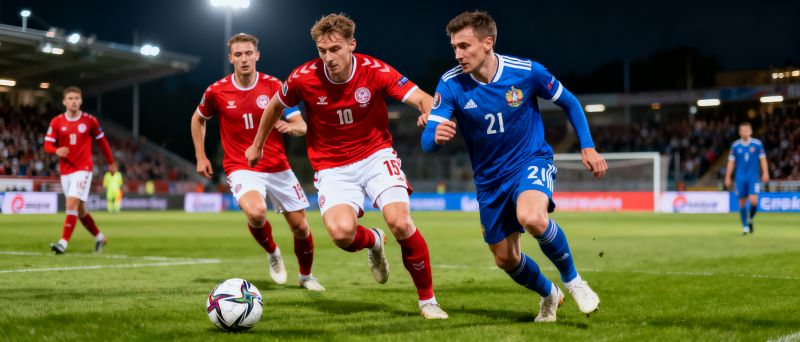
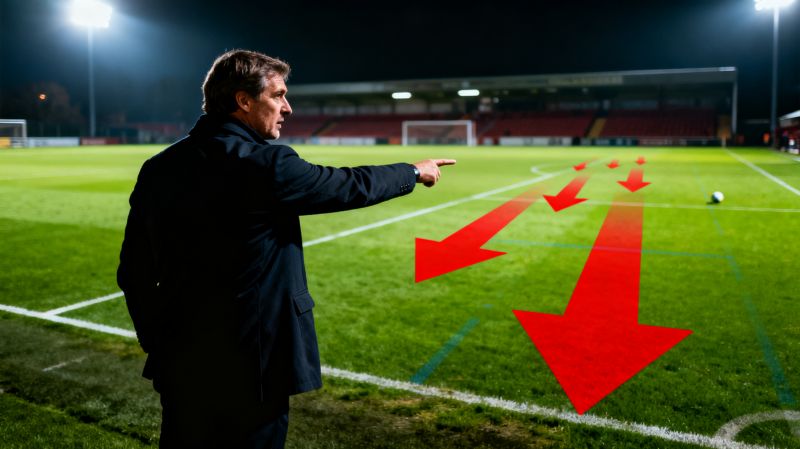
The first half was a masterclass in verticality. Denmark’s wing-backs, Joakim Mæhle and Jens Stryger Larsen, pushed so high they practically formed a front five. Russia’s back three collapsed inward, leaving acres of space on the flanks. The second goal, a curling effort from Andreas Skov Olsen。came from exactly that zone—a simple switch of play, a hesitant step from a Russian center-back, and a finish that gave Matvey Safonov no chance. Denmark beat Russia 4-1, and the scoreline could have been six. The xG (expected goals) numbers later showed 3.8 to 0.7. That’s not a competitive game;that’s a structural failure.What struck me most was the physical disparity. Denmark’s players looked like they’d been built for this system—lean, relentless, and utterly synchronized. Russia’s backline。by contrast, moved like a group of strangers who’d just met at a bus stop. The third goal, a set-piece header from Andreas Christensen, was almost comical: three Russian defenders watched the ball float past them. I’m not sure I’ve seen a top-30 national team defend corners that passively. Denmark beat Russia 4-1, but the real story is Russia’s collapse in transition. Every time they lost the ball in midfield, Denmark had a three-on-two break within seconds. That’s a coaching problem, sure—but it’s also a hunger problem.Let’s talk about the lone Russian goal, because it matters. Artem Dzyuba’s 72nd-minute header was a flicker of the old Russia—direct, physical。and briefly defiant. But it came at 3-0, when Denmark had already shifted into cruise control. The Danes’ fourth goal, a low drive from substitute Christian Nørgaard, arrived five minutes later and killed any faint hope of a comeback. That’s the thing about this Denmark side: they don’t just beat you;they punish you for hoping. Kasper Hjulmand’s substitutions were aggressive—bringing on fresh legs to keep the press alive rather than to defend the lead. That’s a manager who trusts his system.
Denmark beat Russia 4-1, and the result places both teams on very different trajectories. Denmark looks like a side that could trouble the later stages of a major tournament—organized。ruthless, and deep. Russia, meanwhile, has now conceded three or more goals in four of their last seven competitive matches. The post-match comments from Russian coach Valery Karpin were telling: he spoke about “individual mistakes” and “a lack of concentration” but the issues run deeper. You can’t fix a broken pressing structure with a stern team talk. Denmark’s win wasn’t just a scoreline;
it was a blueprint for how to dismantle a team that can’t handle pressure. And for Russia, it was another cold night in a winter that’s lasted far too long.